What Are the Best Natural Ways to Kill Weeds?
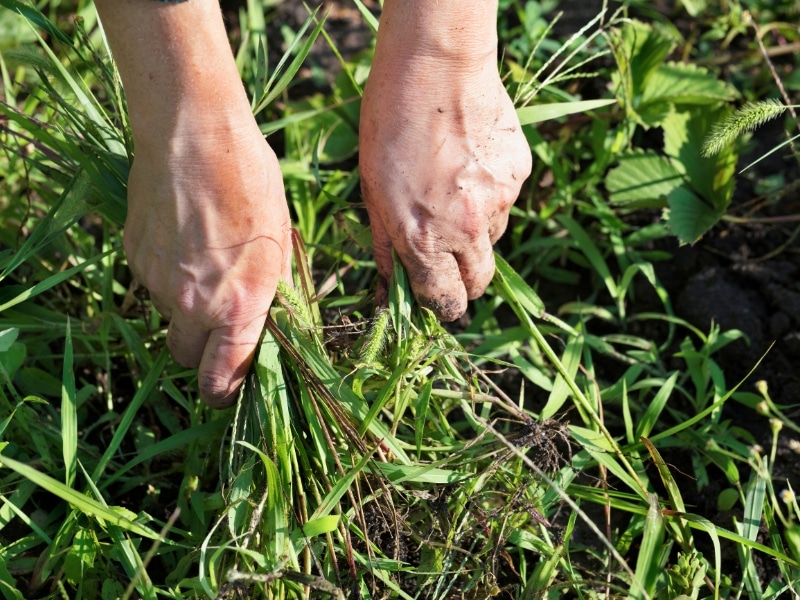
Weeds can sneak into even the most carefully maintained garden beds in Sydney, stealing nutrients and space from your favourite plants. While many gardeners turn to chemical sprays, thinking it’s the only solution, these often harm soil, waterways, and even beneficial insects, which is why exploring natural ways to kill weeds offers a sustainable and effective approach without leaving behind toxic residues. However, the challenge lies in consistency since weeds are stubborn and often bounce back, leading to frustration when hours spent pulling them feel wasted as new sprouts appear within days. And while chemical quick fixes promise speed, they can damage soil health in the long run, so by understanding how weeds grow and the role of natural control methods, this article explores benefits, practical tips, and situations where eco-friendly approaches work best.
Why do weeds keep coming back in your garden beds?
If it feels like weeds have endless lives, you’re not far off. They’ve got seeds that can sit in the soil for yonks, waiting for the right conditions. Give them a splash of water and a patch of sunlight, and they’ll pop back up before you’ve even cleaned the dirt off your gloves. Here are the main reasons weeds keep reappearing in garden beds:
- Weeds outcompete veggies and flowers for water.
- Their roots dive deep and spread quicker than a rumour.
- Seeds can lie low for years and strike when you least expect.
It’s no wonder gardeners get cranky. Even after a solid mulch session or hand-pulling blitz, the green tide often returns. But there’s a smarter way to fight back. If you want to find tailored weeding solutions for long-term garden care, the right mix of natural tactics stops weeds at the source instead of just trimming the top.
Is chemical weed control doing more harm than good?
Chemicals promise the easy road: spray and walk away. But truth be told, they’re like giving your soil junk food. Sure, it looks neat for a bit, but underneath it’s taking a hiding. Here are the downsides of relying too heavily on chemical weed control:
- Chemicals reduce soil biodiversity, which knocks your garden’s natural defences.
- Over time, weeds get resistant, and you end up spraying more often.
- Kids, pets, even the worms that make soil healthy can cop the fallout.
You might feel like you’ve won the battle when the weeds brown off, but the soil loses every time.
A better approach? Nail the weeds early before they get a foothold. That’s the importance of removing weeds on time. Act fast, act natural, and your soil doesn’t pay the price.
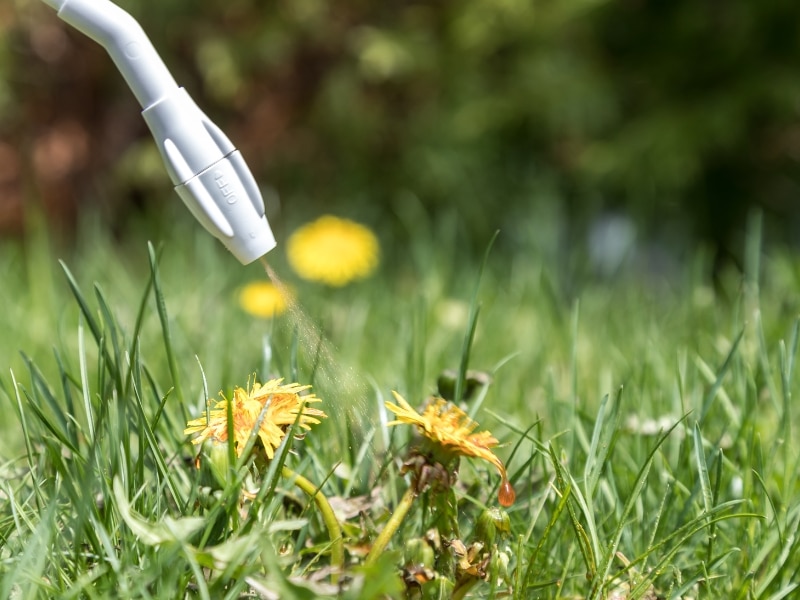
How can natural ways to kill weeds protect your soil?
Healthy soil is like the backbone of a good garden. Strip it down with chemicals, and it’ll struggle. Keep it alive with natural methods, and you’ll see your plants thrive without all the fuss.
- Boiling water fries weeds but leaves microbes alone.
- Vinegar on small weeds works a treat, no dodgy residue.
- Mulch smothers weeds while feeding the earth below.
Here’s a quick look at how different methods stack up:
| Method | Soil Impact | Effectiveness |
| Chemical herbicides | Damages soil organisms | High, short-term |
| Mulching | Improves soil quality | Medium-high |
| Boiling water | Neutral effect | Medium |
| Vinegar spray | Neutral, surface-level only | Low-medium |
Natural methods might take more elbow grease, but they don’t wreck the foundation. Over time, your soil gets richer instead of weaker, which means fewer weeds sneaking back.
Where do natural ways to kill weeds work most effectively?
Not all natural weed control methods are created equal — some thrive in garden beds, while others do their best work on paths or driveways. The trick is knowing which approach suits the space you’re dealing with. Here are the places where natural weed control methods tend to shine:
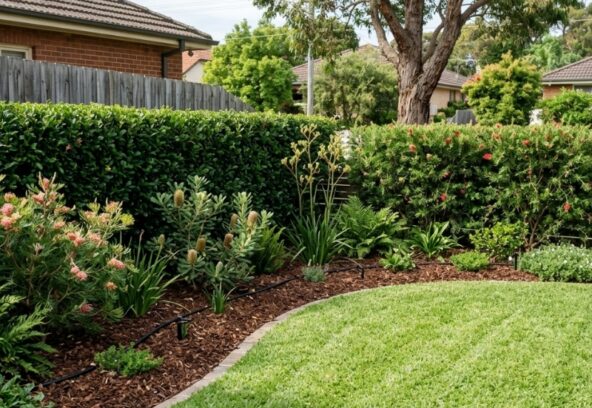
- Mulch does its best work in garden beds, locking out sunlight.
- Vinegar is handy for paths and bare soil patches.
- Boiling water sorts weeds in cracks and paving joints.
You don’t need to reinvent the wheel — just play to the strengths of each method. That’s why protecting soil health through natural methods matters. When the soil’s in good nick, the weeds lose their edge and you get a healthier garden all round.
How do you stop weeds from taking over driveways?
Driveways are a magnet for weeds. Those tiny cracks in pavers or concrete act like seed hotels. Once weeds check in, they’re tough to evict. Here are the main challenges of controlling driveway weeds:
- Weeds damage driveways over time, forcing cracks wider.
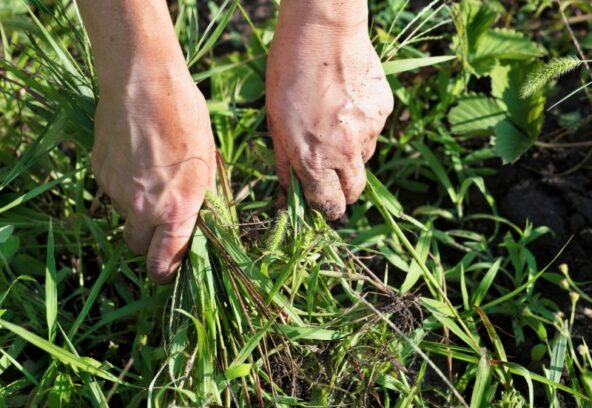
- Yank them by hand, and they’ll be back in no time.
- Chemicals risk washing into gutters and creeks.
What works better is old-school heat or salt. Boiling water poured into cracks is cheap, safe, and no dramas for the garden beds nearby. Stick with it regularly, and you’ll keep the weeds at bay. Consistency’s the trick. One go won’t cut it, but a steady routine keeps the driveway looking sharp.
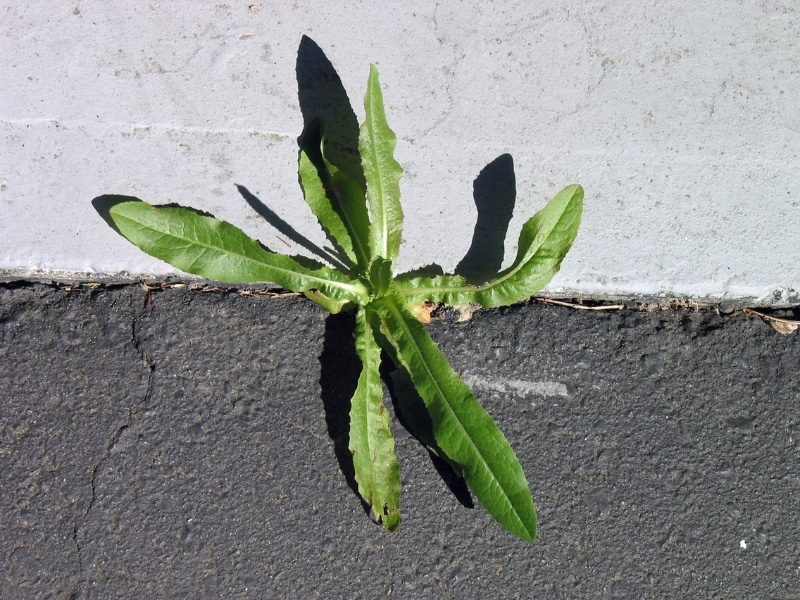
When should you try natural ways to kill weeds instead of chemicals?
Timing makes all the difference. Catch weeds when they’re young and you’ll save yourself a world of hassle. Here are the moments when natural weed control works best:
- Early spring is a ripper time to start.
- After rain, weeds pull easier — no crowbar needed.
- In summer, boiling water or solarisation packs more punch.
Wait until weeds have seeded, and you’ll be chasing them for months. Get in early, and your natural methods go a long way. It’s not about quick fixes — it’s about setting the balance in your garden.
Is it possible to control weeds without damaging your lawn?
Lawns and weeds are natural enemies. The trick is keeping the grass strong while knocking out the invaders. Chemicals don’t always know the difference, but natural methods do. Here are the most effective lawn-friendly approaches to weed control:
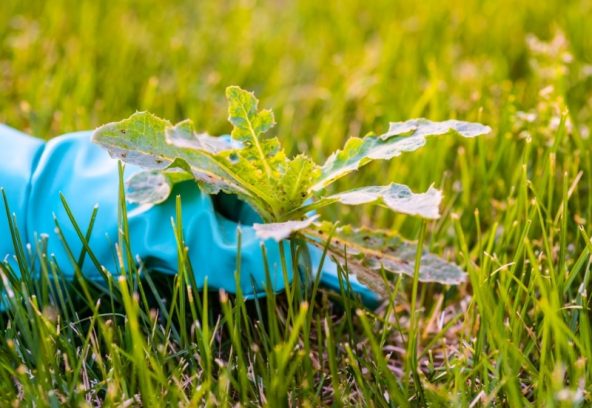
- Spot-pull when weeds are small — easy done.
- Corn gluten meal blocks new weeds without hurting grass.
- Use hand tools for the deep-rooted troublemakers.
A lawn that’s fed and cared for naturally stands up better to weeds. Over time, the grass thickens, and weeds don’t get a chance to muscle in. Plus, no nasty residue means it’s safe for kids, pets, or a backyard game of footy.
Final thoughts
Weeds are cheeky buggers, no doubt. But you don’t need to nuke your soil to keep them in check. With a bit of consistency, natural methods protect your garden, give your soil a fair go, and stop weeds from running riot. If you’d like to learn how Bespoke Landscaping Sydney helps maintain healthy lawns, there are ways to back up your hard work without reaching for the spray bottle.